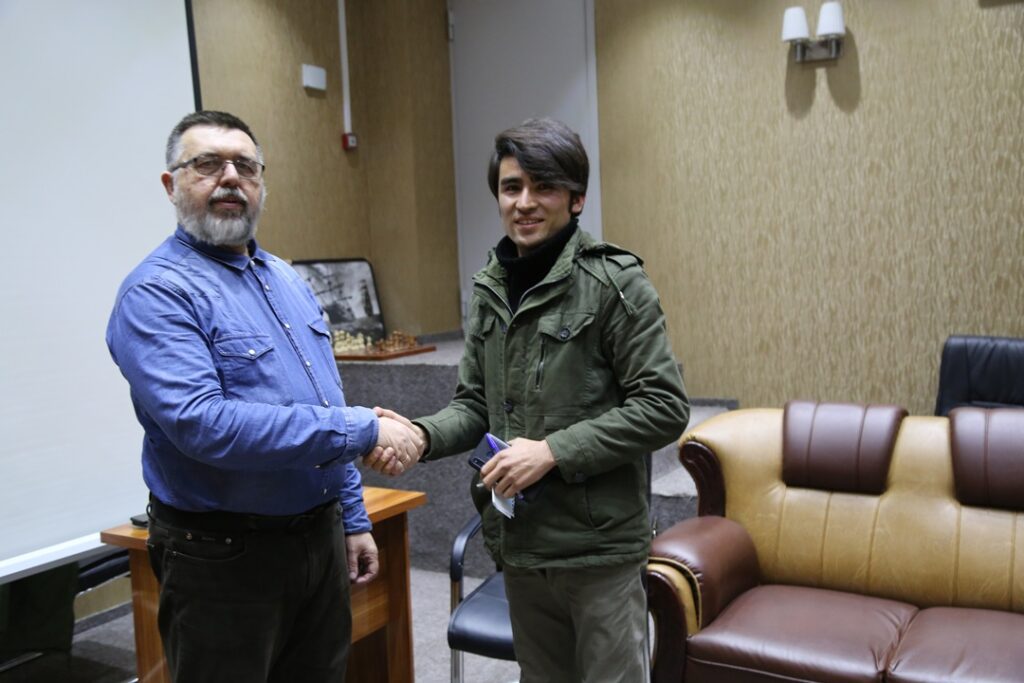
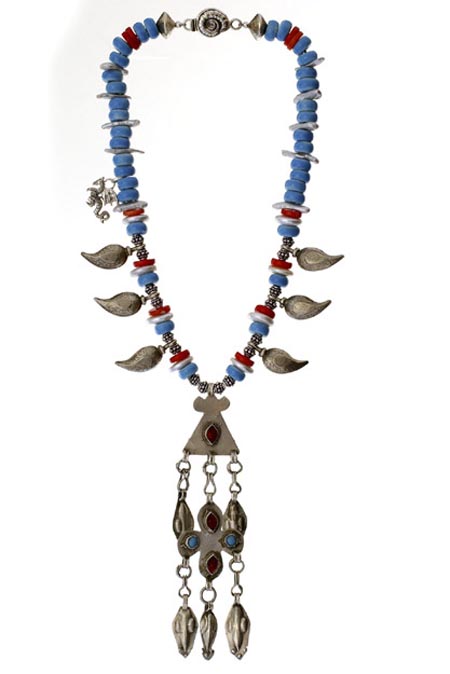
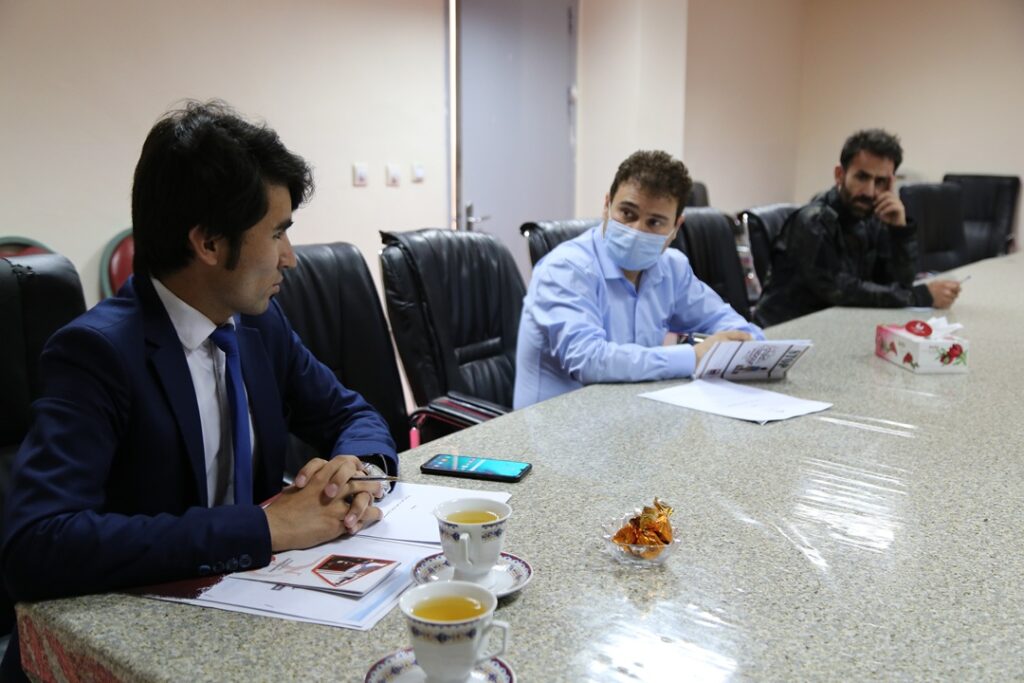
The CHDCA operates in two main areas: tangible and intangible cultural heritage, utilizing a variety of methods for documentation.
Digital Documentation
Utilizing advanced technologies such as digital photography, videography, and 3D scanning to document historical and cultural artifacts.
Scientific Research and Studies
Conducting field research, library-based studies, and providing valuable insights in the fields of Afghan history, art, and culture.
Archiving and Information Access
Creating and maintaining digital archives of Afghanistan’s cultural materials and providing public access to these resources.
Organizing Exhibitions, Workshops, and Campaigns
Hosting cultural and artistic exhibitions, workshops, and awareness campaigns to increase public understanding of Afghanistan’s cultural heritage.
Participation in International Projects
Collaborating with international organizations to protect Afghanistan’s cultural and historical heritage on a global level.
Financial Resources and Budged
The CHDCA is an independent, non-profit organization established to document, preserve, and promote the cultural heritage of the country. Currently, the Center does not have institutional funding or a fixed operational budget. Most of its activities are carried out through voluntary efforts and the limited personal resources of its founders.
To effectively implement its documentation projects, capacity-building programs, and cultural awareness initiatives, CHDCA is actively seeking transparent financial support and collaboration with national and international partners. All financial contributions will be managed with utmost transparency, accountability, and regular financial reporting.
The Center is prepared to provide additional information including detailed project budgets, financial reports, and its organizational structure to potential donors and funding partners upon request.